The Most Affordable Home in Metro Atlanta Is the One Someone Already Owns
By Ingrid Thompson, CEO, Nehemiah Project Community Development Corporation
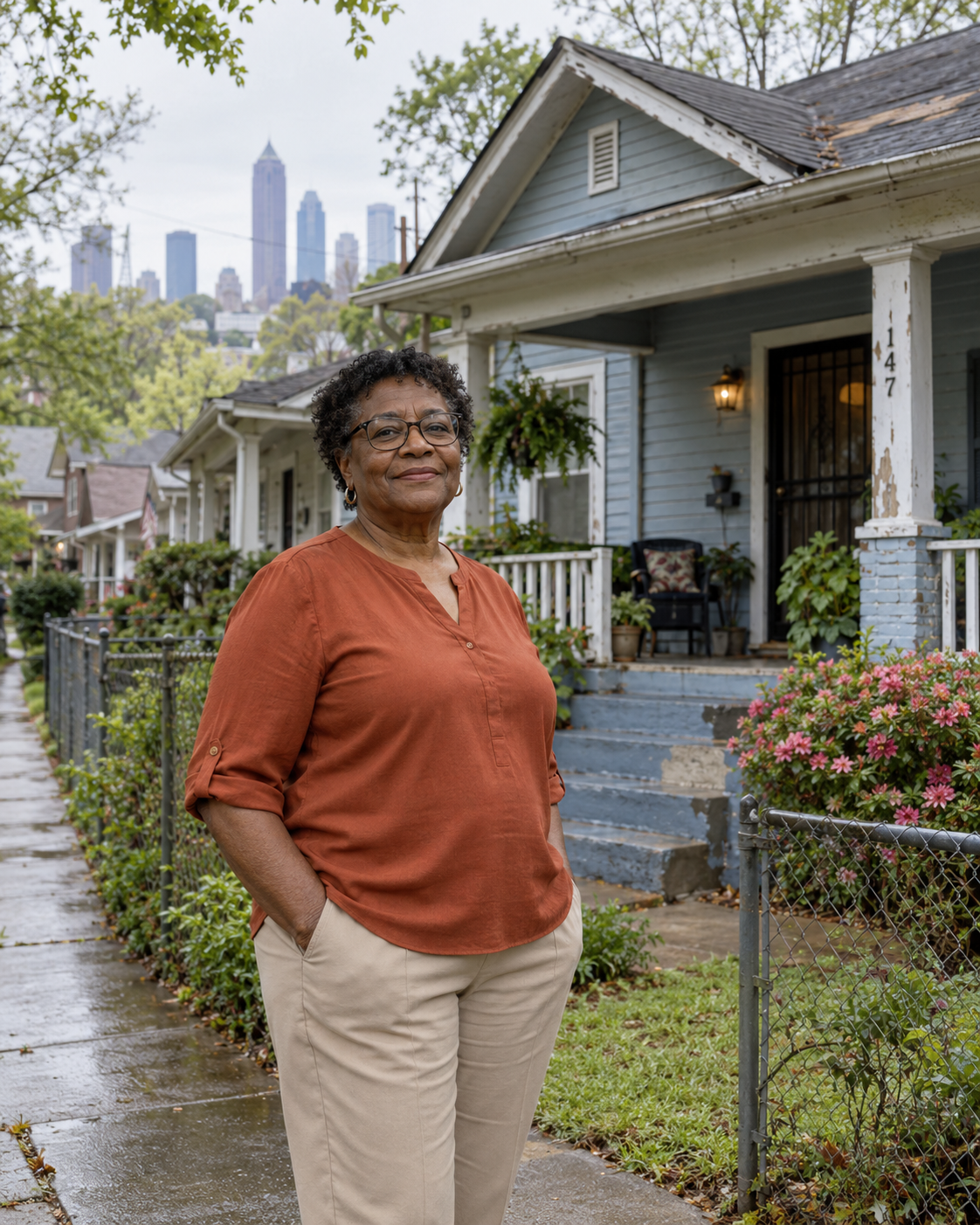
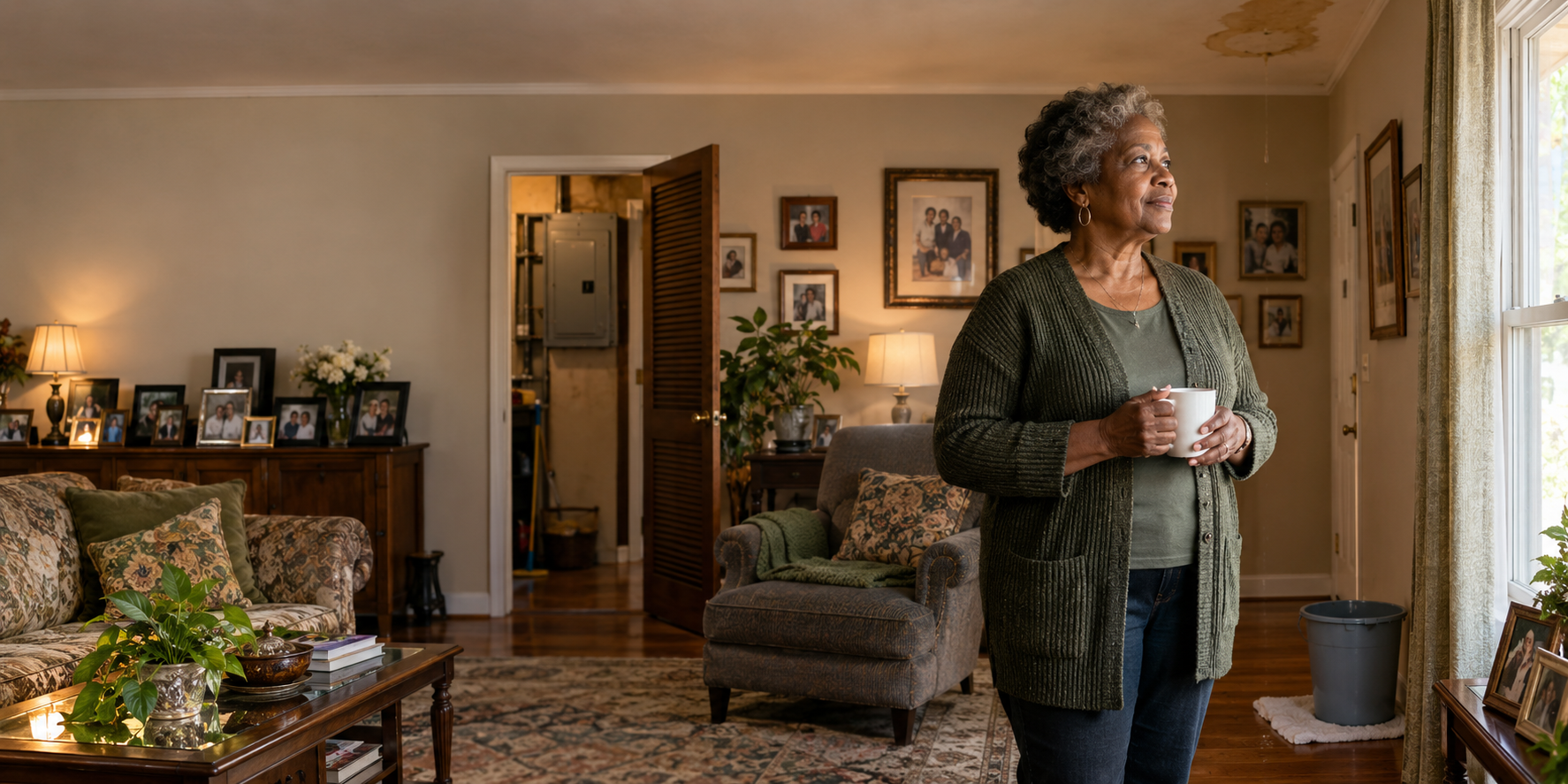
There is a house in Metro Atlanta that has been in the same family since the 1970s. The mortgage was paid off years ago. The woman who lives there raised three children in it and buried a husband from it. On paper, she is a homeowner with no housing costs at all.
In reality, the roof leaks into the back bedroom. The electrical panel is older than her grandchildren. One bad storm stands between her and a code violation she has no way to pay for.
We spend a great deal of energy in this region talking about how to build affordable housing. We spend far less talking about how to keep the affordable housing we already have. That second conversation is the one I want to have.
Preservation is production
When a senior loses a paid off house because the roof failed, the region loses a unit of affordable housing. That unit required no land acquisition, no zoning fight, no capital stack, no construction financing, and no subsidy to create. It was already there. It was already affordable. And it is gone.
Nobody counts that loss. There is no groundbreaking to attend when a house goes vacant. There is no ribbon to cut when a family sells for cash and moves in with a relative two counties away. But the math is the same as if we had failed to build. One fewer household living somewhere it can afford.
Repair is the cheapest housing production strategy we have, and we treat it like charity instead of like policy.
What loss actually looks like
It almost never starts as a housing crisis. It starts as a plumbing problem.
A leak goes unfixed because the plumber quoted a number the household does not have. The water bill triples. The homeowner falls behind. Water damage spreads into the floor and the walls. Mold follows. A neighbor complains, or an inspector drives by, and now there is a code violation with a fine attached. The fine goes unpaid. Somewhere in that sequence, an investor mails a letter offering cash, fast, as is.
For a homeowner on a fixed income staring at a repair bill and a citation, that letter can look like the only exit. So the house sells for a fraction of its value. Decades of equity, the only real wealth many of these families have, transfers out of the community in a single transaction. The next occupant pays market rent.
I have watched that chain play out too many times to call it bad luck. It is a predictable outcome, and it is interruptible at almost every point, usually for a few thousand dollars.
Repair does not photograph well
I understand why money moves toward new construction. A development has a rendering. It has a site. It has a day when officials stand in hard hats with shovels for the iconic photo shoot.
A water heater has a receipt.
But consider what a modest amount of money actually buys. Senior home repair programs in Metro Atlanta allow eligible homeowners age 62 or older to receive $5,000 to $25,000 in grant funded repairs that are never repaid. Electrical, plumbing, roofing, windows and doors, HVAC, mold remediation, lead hazard reduction, accessibility modifications. That is a fraction of what it costs to build and subsidize one new unit, and it keeps a household in place, on its own block, near the church and the pharmacy and the neighbors who check on them.
Over the last 10 years, Nehemiah Project has repaired and preserved more than 1,250 homes for seniors, veterans, and families in Metro Atlanta.
Not one of those homes had to be built.
What I am asking for
Three things, to anyone shaping housing strategy in this region.
Count preservation. If a jurisdiction sets a housing goal, homes retained should sit in the same column as homes built. What we do not measure, we do not fund.
Fund repair like infrastructure, not like a favor. Home repair budgets are usually small, annual, and first to be cut. Roofs and sewer lines do not operate on annual cycles.
Pair repair with the rest of the picture. A new roof does not help a homeowner who loses the house to a tax bill. Last year our team helped seniors complete more than 100 tax relief applications alongside repair work. Housing stability is rarely solved by one fix.
The woman in that house in Metro Atlanta is not a housing statistic waiting to happen. She is a homeowner. She already did the hard part. She bought the house, paid it off, and stayed through everything that changed around her.
The least we can do is keep the roof on it.