By Ingrid Thompson, CEO, Nehemiah Project Community Development Corporation
Before I ran a nonprofit, I was the co-owner of a small real estate business in Atlanta. We bought houses that needed work, fixed them up, and rented them out to low income families with children.
Nobody called me a developer back then. I was just a woman with a small portfolio, a stack of contractor bids, and a lot of lessons I paid for the hard way. I learned how to read a scope of work. I learned what happens when a budget has no room for the thing you find behind the drywall. I learned which contractors show up and which ones only show up for the deposit.
Every one of those lessons came from rehab work. I did not learn development in a classroom. I learned it inside old houses.
The pipeline nobody talks about
When people talk about growing the number of developers building affordable housing, the conversation usually starts with new construction. We talk about land deals, tax credits, and financing for projects with dozens of units.
Those things matter. But most people who end up building housing do not start there. They start with one house that needs a new roof, or a duplex with plumbing that has to be replaced before anyone can move in. Rehab is the entry point. It is where people learn estimating, permitting, scheduling, and how to manage a crew before the stakes get bigger.
If we want more local developers, especially people from the neighborhoods that need housing most, we have to treat rehab work as the training ground it already is.
What our repair work actually teaches
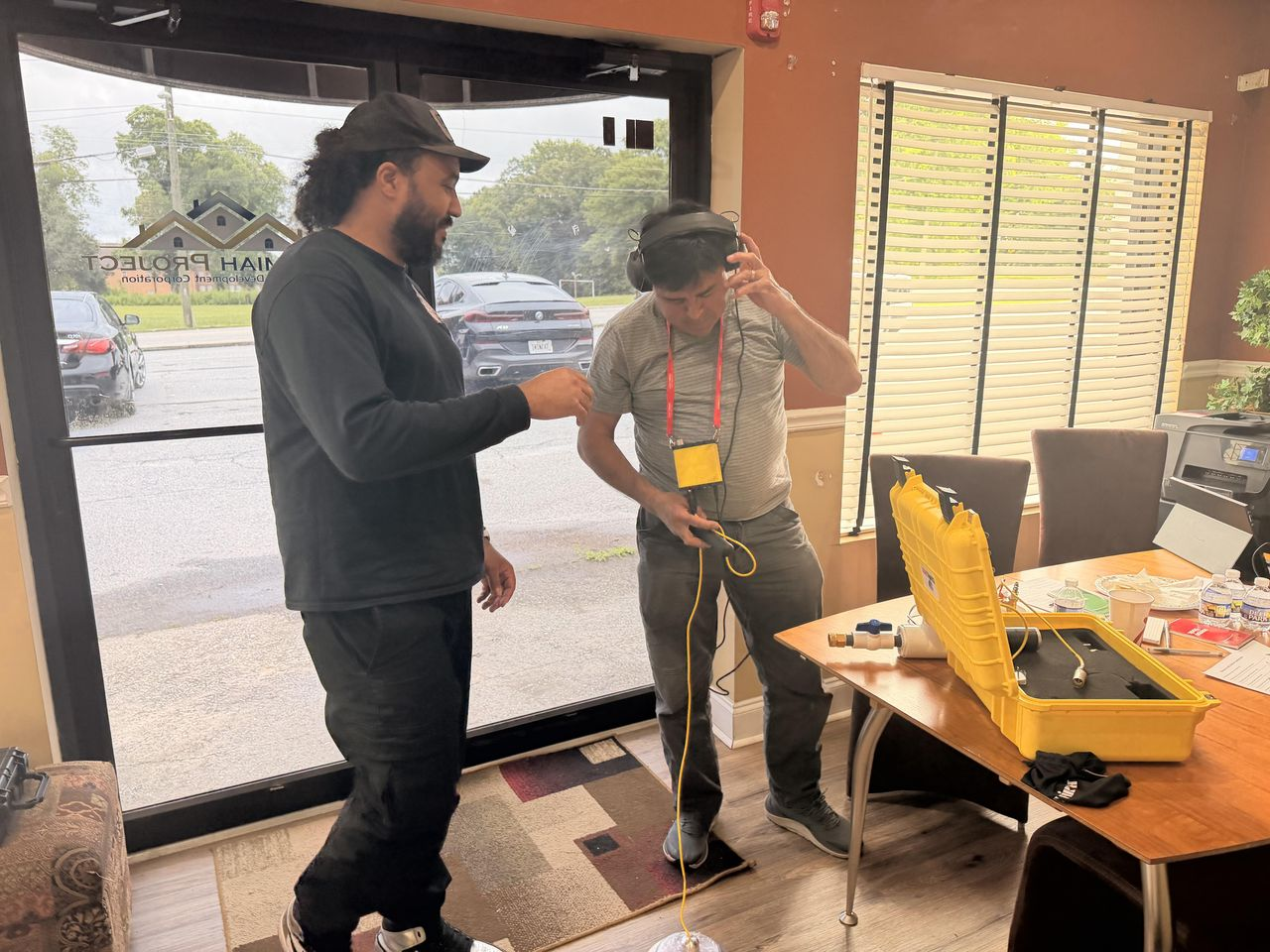
At Nehemiah Project, our daily work is home repair. Through the Care and Conserve Plumbing Repair Program under a recent contract, our team and contractors repaired 269 homes against a contract requirement of 234. That meant main water lines replaced from the street, drain lines rebuilt, water heaters installed, and bathrooms made safe again.
Every one of those jobs required a real scope, a real budget, and a real inspection. Our network includes licensed and insured master plumbers, electricians, skilled carpenters, and HVAC contractors who do that work house by house. A&B Plumbing is one of the licensed plumbing businesses in that network. That is development experience, whether we call it that or not.
The same is true for our staff. The people who handle intake, inspections, and contractor oversight are learning how housing projects come together from the ground up.
With new support from Enterprise, we are investing in training for our staff and for the community, including Whole Home Assessment Training. We also provide lead training through our partnership with the City of Atlanta. We see this knowledge as something worth passing on and putting to work in our neighborhoods.
Why this matters for the series
Over the past few weeks, I have written about preservation and about what a renovation really buys a homeowner. This is where those ideas meet.
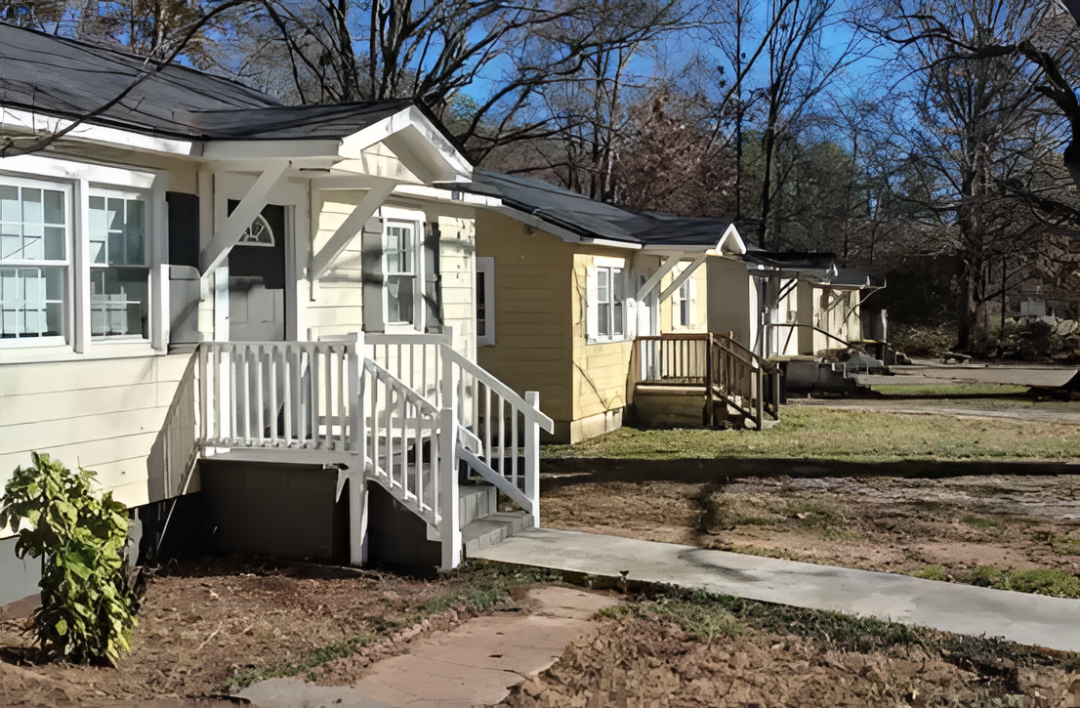
Preservation keeps people in their homes. Renovation protects the investment they have already made. And the work of doing both, done well and done locally, builds the people who will develop housing in our communities for the next 20 years.
What I am asking for
Count rehab as workforce development. When cities and funders fund home repair, they are also funding the training of the contractors and project managers who will build tomorrow's housing.
Give small contractors a path to grow. Break repair contracts into sizes that local firms can win, pay them on time, and connect the ones who perform well to bigger opportunities.
Bring community developers to the table early. Organizations like ours already know the houses, the neighborhoods, and the contractors. We are ready to do more than repair.
I did not set out to become a developer. I got there one house at a time. There are people in our neighborhoods right now doing the same thing, and they deserve a clearer path than the one I had.